Technical reference · English
Electrical parameters
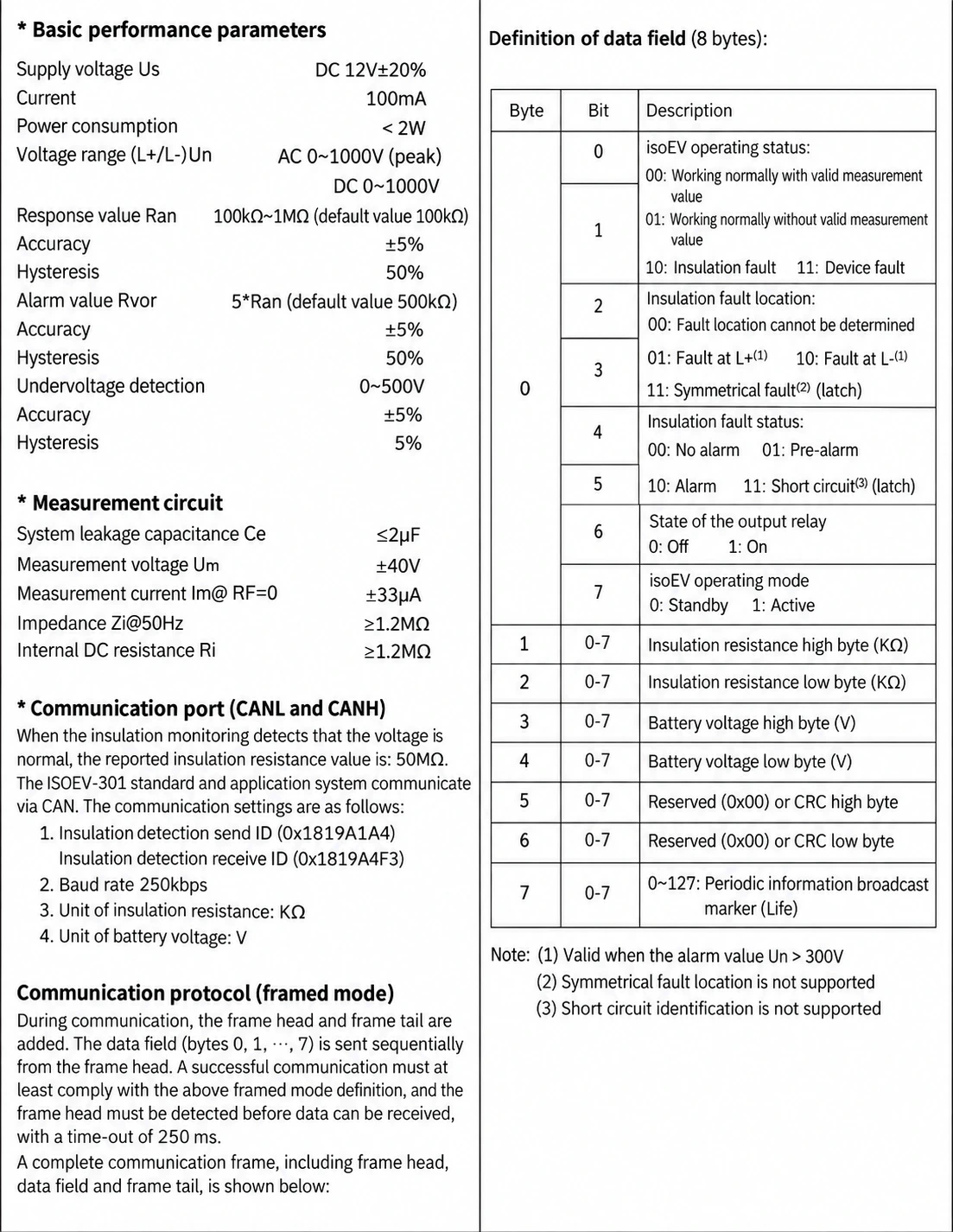
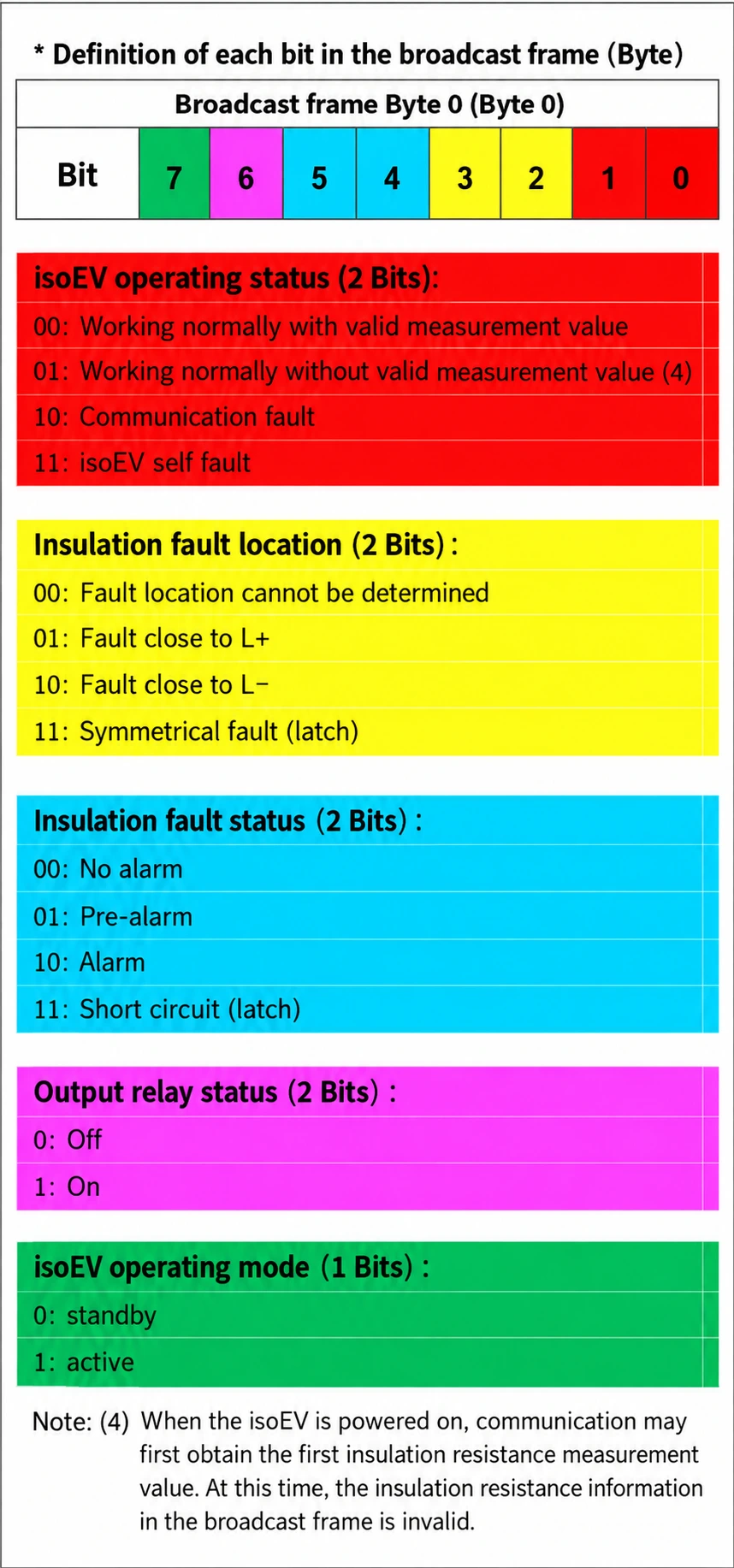
Communication and output
Product selection
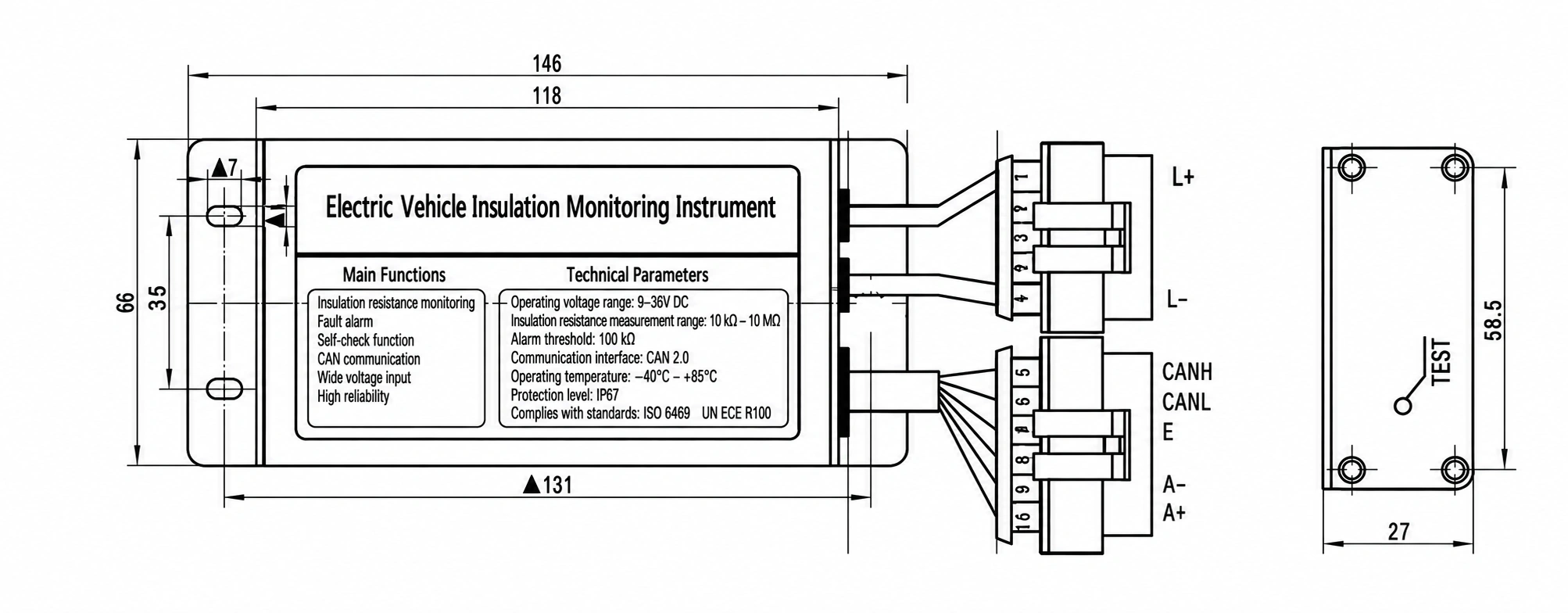
Product size
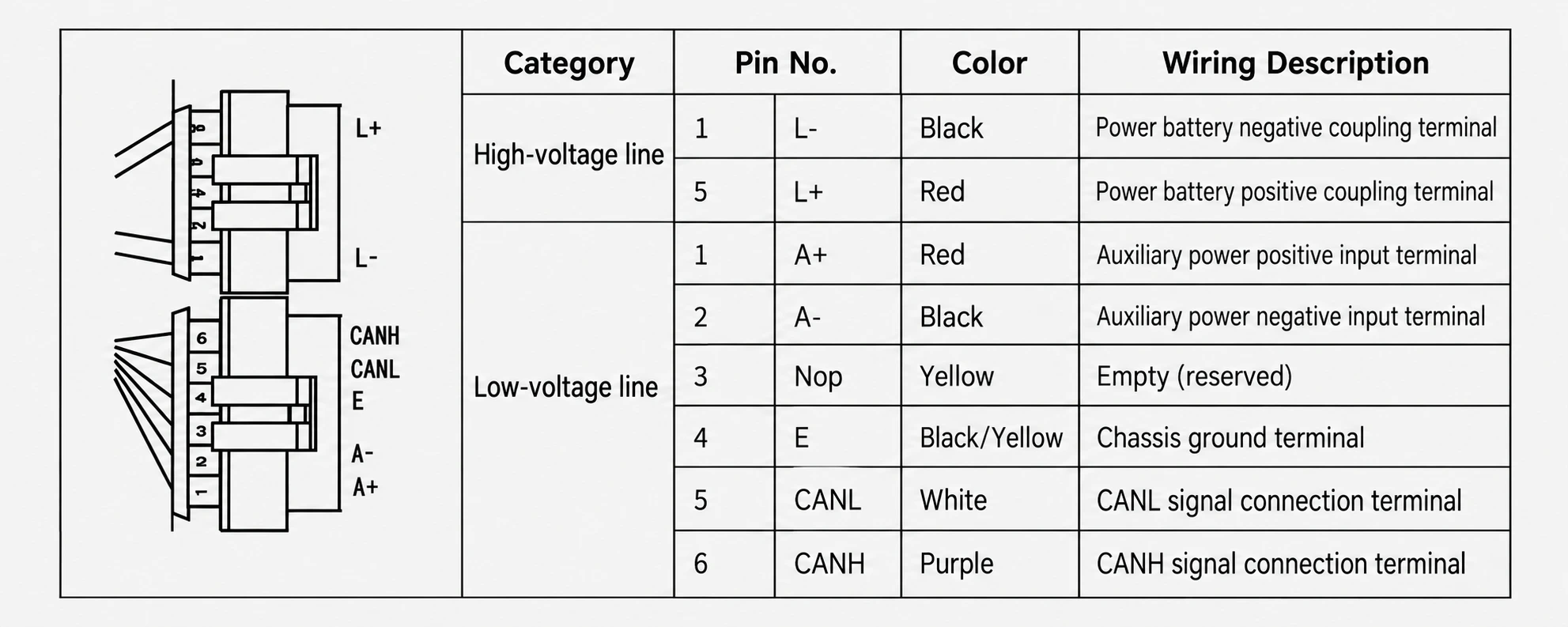
Apply legend

Product photography
View full sizeInsulation monitoring
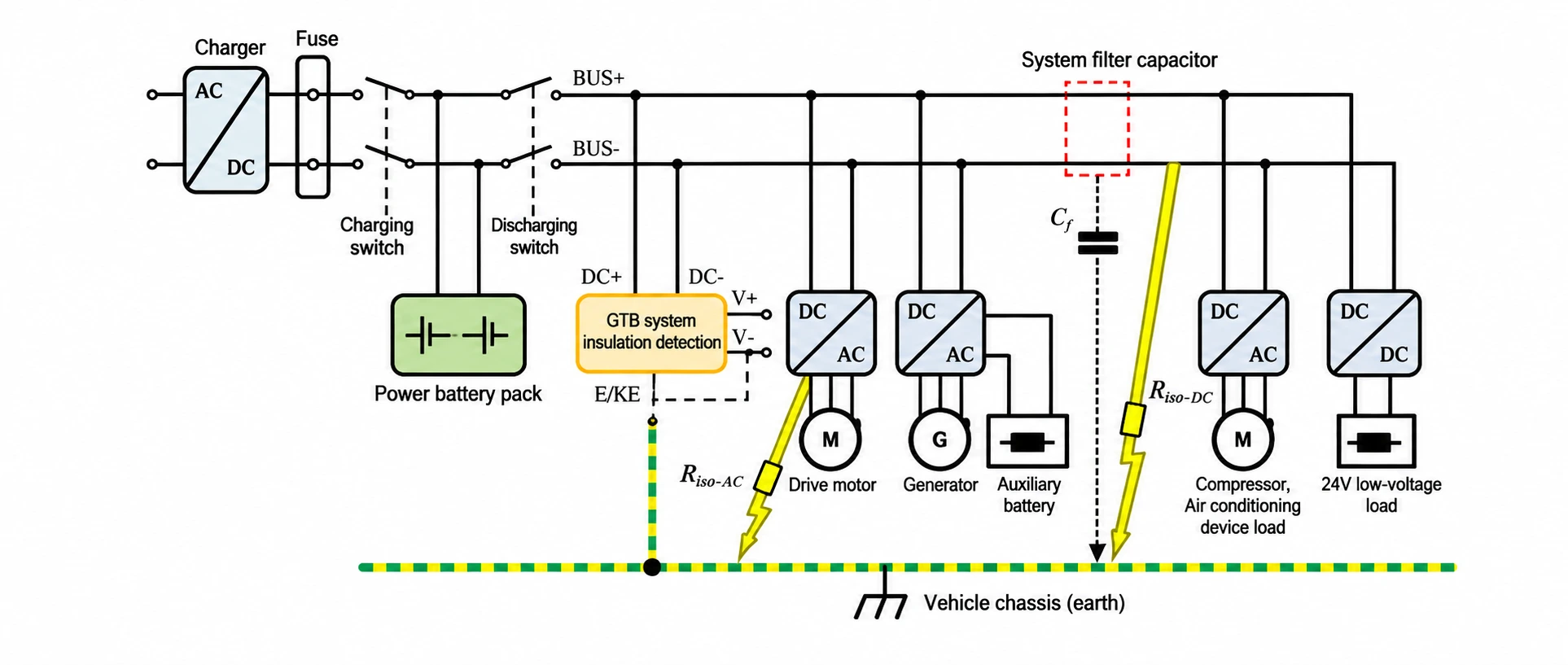
Monitor insulation between high-voltage systems and the chassis
isoEV301 monitors insulation between an electric vehicle’s high-voltage components and the chassis reference, covering the DC side and AC motor side. It detects symmetrical and asymmetrical insulation faults. Fault-side identification is valid only during an alarm when system voltage exceeds 300 V; it is not provided for symmetrical faults. An isolated CAN interface transmits status, alarms and measurements.
Electric-vehicle applicationExplore electric-vehicle insulation monitoringExplore insulation monitoring and fault detection in vehicle high-voltage systems.Explore technical detailsPRODUCT INSIGHTS
Covers the DC side and AC motor side, monitoring insulation between high-voltage components and the chassis.
Detects symmetrical and asymmetrical insulation faults. Fault-side information for asymmetrical faults is valid only during an alarm when system voltage exceeds 300 V.
An isolated CAN interface transmits status, alarms and measurements for system integration.
 Industry photograph
BUILT FOR YOUR ENVIRONMENT
TECHNICAL SPECIFICATIONS
12 VDC (±20%); operating current: 100 mA; power consumption: <2 W.
AC: 0–1,000 V (peak); DC: 0–1,000 V.
Insulation response value: 100 kΩ–1 MΩ (default 100 kΩ), accuracy ±5%; alarm value: five times the response value (default 500 kΩ), accuracy ±5%.
System leakage capacitance: ≤2 μF; measuring voltage: ±40 V; measuring current: ±33 μA (RF=0); 50 Hz impedance and internal DC resistance: each ≥1.2 MΩ.
Isolated CAN communication at 250 kbps.
For system voltages above 300 V, the unit can report the side of an asymmetrical insulation fault; symmetrical-fault location is not supported.
Technical reference · English
Electrical parameters
Communication and output
Product selection
Product size
Apply legend
Select the model and configuration for your supply system, load and installation conditions. Use the applicable product documentation for installation and operation.
EXPLORE MORE
Insulation monitoring
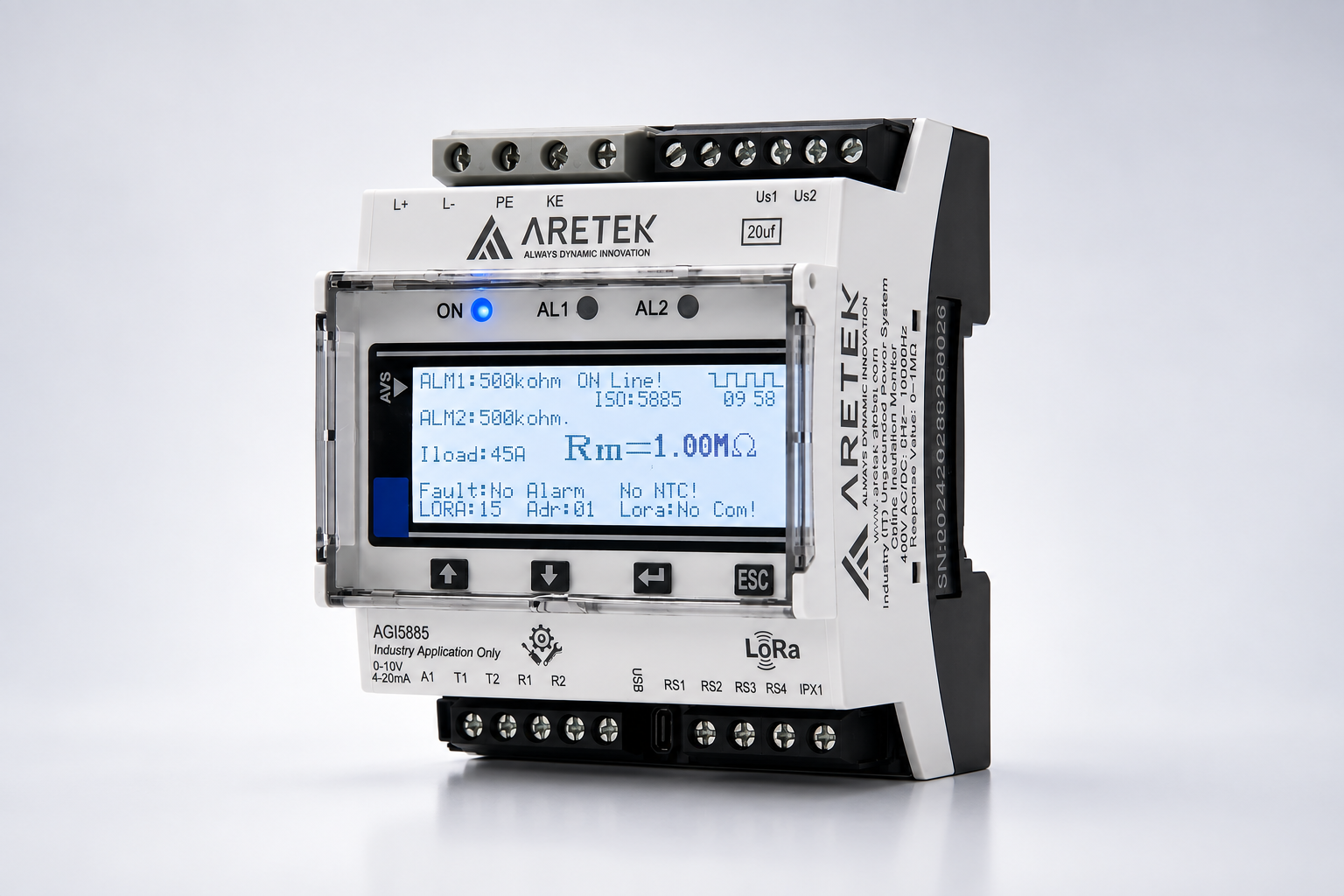
Offline insulation monitoring for AC and DC circuits
The AGI56xx series provides offline insulation monitoring for AC and DC systems. Select the specific model according to the supply system and measurement task, then verify its parameters and connection requirements so that the monitoring arrangement matches the circuit.
Insulation monitoring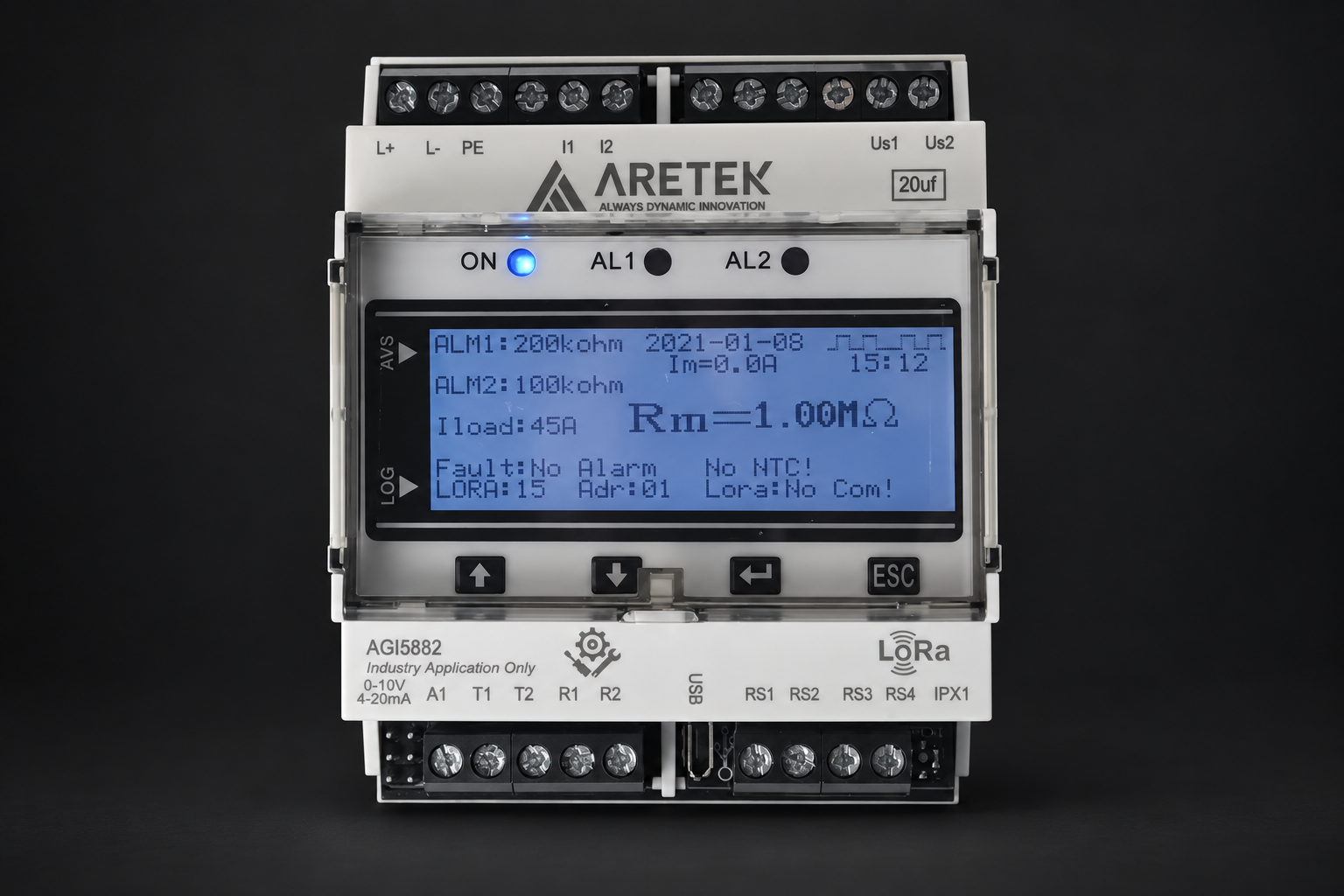
Insulation monitoring
Online and offline insulation condition checks
AGI5882 provides online insulation monitoring for IT systems and offline monitoring for TN and TT systems, covering AC and combined AC/DC supply applications. Temperature measurement and networking support condition checks on relevant power supplies and driven equipment, with monitoring configured to the system type.
Insulation monitoring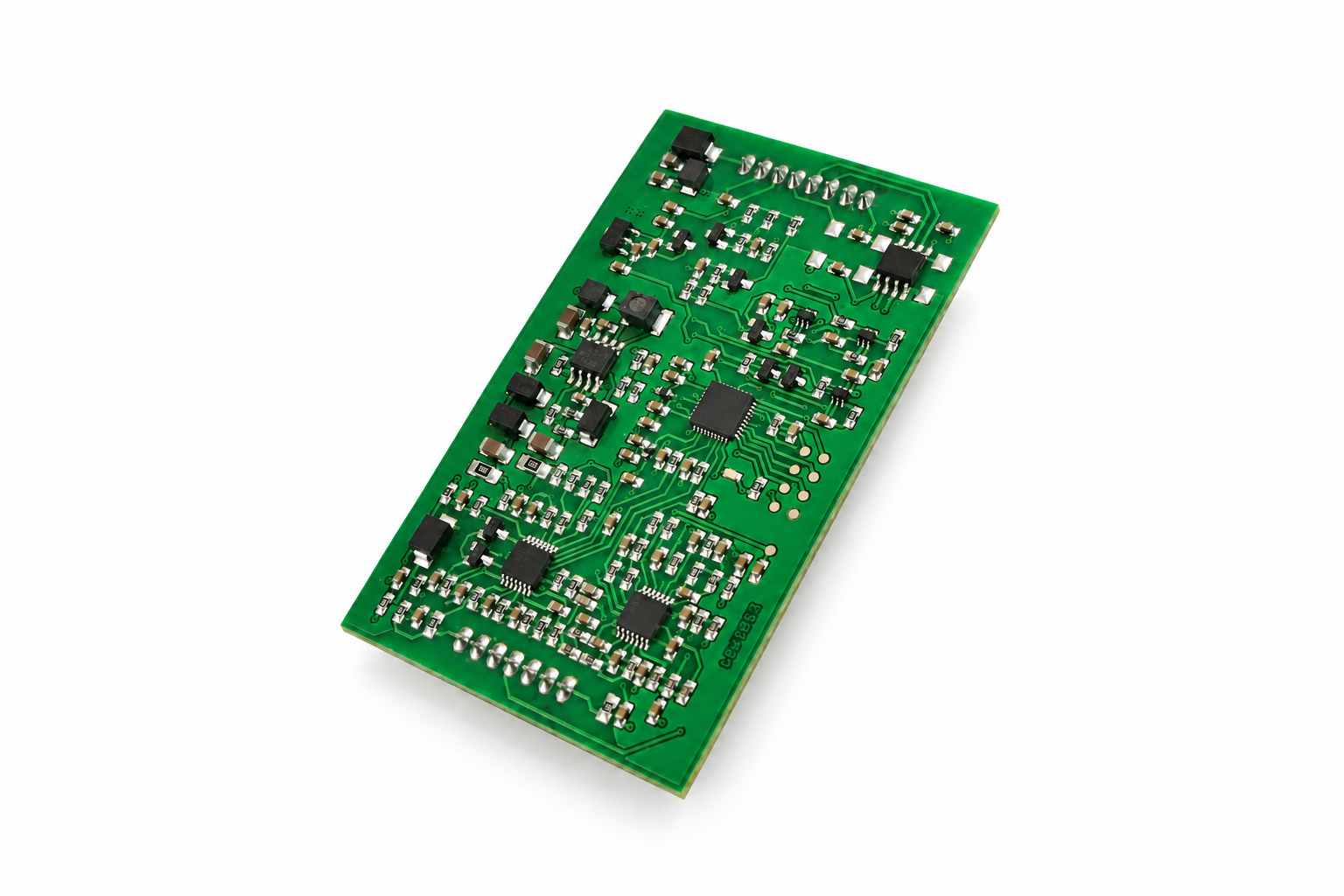
Insulation monitoring
Integrate high-voltage insulation monitoring into battery management
An embedded insulation-monitoring module for electric vehicle BMS development. It measures insulation between high-voltage components and the chassis, covering DC-side and AC-motor-side faults. An optically isolated interface transmits measurements, pre-alarms and fault information and receives host configuration commands for system integration.
Insulation monitoring